Enhancing Your Garden Design with Landscape Rock: 10 Creative Ideas

When it comes to transforming your garden into a picturesque oasis, landscape rock can be a versatile and aesthetic addition. Far more than mere ground cover, rocks can serve multiple purposes, from practical elements like erosion control to purely decorative accents. Here are ten creative ways to incorporate landscape rock into your garden design, enhancing both its functionality and visual appeal.

Rock Gardens as Focal Points

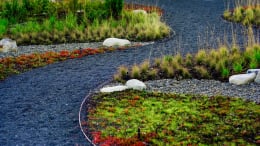
Rock gardens have been utilized for centuries in various cultures, blending natural stone with carefully chosen plants to create stunning displays. These gardens can range from minimalist Zen-like arrangements to elaborate alpine landscapes. By strategically placing rocks of different sizes and shapes amidst hardy succulents, low-growing shrubs, or vibrant perennials, you can achieve a harmonious balance that requires minimal maintenance while maximizing aesthetic impact.

Pathways and Stepping Stones

Instead of traditional paved pathways, consider using flat, smooth river rocks or flagstones to create a naturalistic trail through your garden. This approach not only adds texture and visual interest but also encourages a more organic flow through the space.

Intersperse the stones with ground covers like creeping thyme or moss to soften the edges and create a seamless transition between the rocks and the surrounding greenery.

Dry Creek Beds for Drainage Solutions

Incorporating a dry creek bed made of larger river rocks can be both functional and visually appealing, especially in areas prone to erosion or excess runoff. By strategically placing rocks along the path of water flow, you can create a natural drainage system that directs rainwater away from sensitive areas while adding a rustic charm to your garden. Planting drought-tolerant grasses or native plants alongside the creek bed enhances its natural appeal.

Boulder Features for Dramatic Impact

Large boulders strategically placed within your garden can serve as striking focal points or dramatic accents.

Whether nestled among greenery as a solitary statement piece or arranged in clusters to mimic natural outcroppings, boulders add a sense of permanence and grandeur to any landscape. Consider their placement carefully to ensure they complement rather than overwhelm the surrounding vegetation and hardscape elements.

Retaining Walls for Terracing

In sloped gardens, landscape rocks can be used to create retaining walls that serve both practical and aesthetic purposes. By stacking rocks of varying sizes, you can create terraced levels that prevent soil erosion, provide planting opportunities for cascading plants or ornamental grasses, and add depth and dimension to your garden design. The natural texture and color variations of the rocks can blend seamlessly with the overall landscape, creating a cohesive and visually appealing environment.

Rock Mulch for Weed Control

Replacing traditional organic mulch with gravel or crushed rock can offer long-lasting benefits beyond weed suppression. Rock mulch retains moisture in the soil, reduces erosion, and adds a polished, contemporary look to garden beds. Choose a size and color of rock that complements your existing plant palette, whether it's a warm desert-toned gravel or cool river stones. Over time, as the rocks settle into place, they can enhance the overall aesthetic while minimizing maintenance efforts.

Sculptural Elements and Art Installations

For gardeners with a flair for the artistic, landscape rocks can be transformed into sculptural elements or art installations. From balanced stone stacks reminiscent of ancient cairns to intricate mosaics created from polished pebbles, there are endless possibilities for expressing creativity with rocks. These installations can serve as focal points, conversation starters, or simply as whimsical touches that reflect your personal style and passion for gardening.

Edging and Border Accents

Define garden beds, pathways, or water features with carefully placed rock edging or borders. Small to medium-sized stones can be arranged in linear patterns to delineate different areas of your garden, providing a clean transition between planting beds and hardscape elements. This technique not only adds structure and definition but also helps prevent soil erosion and keeps mulch or gravel in place. 

Rock Spires and Rock Walls

Incorporating vertically stacked rocks into your garden design can create a sense of verticality and architectural interest. Rock spires or columns can draw the eye upward, adding height and drama to the landscape. Similarly, low rock walls can be used to define garden boundaries, create raised planting beds, or frame outdoor seating areas. The natural texture and irregular shapes of the rocks add a timeless appeal that complements both traditional and contemporary garden styles.

Reflective and Water Features

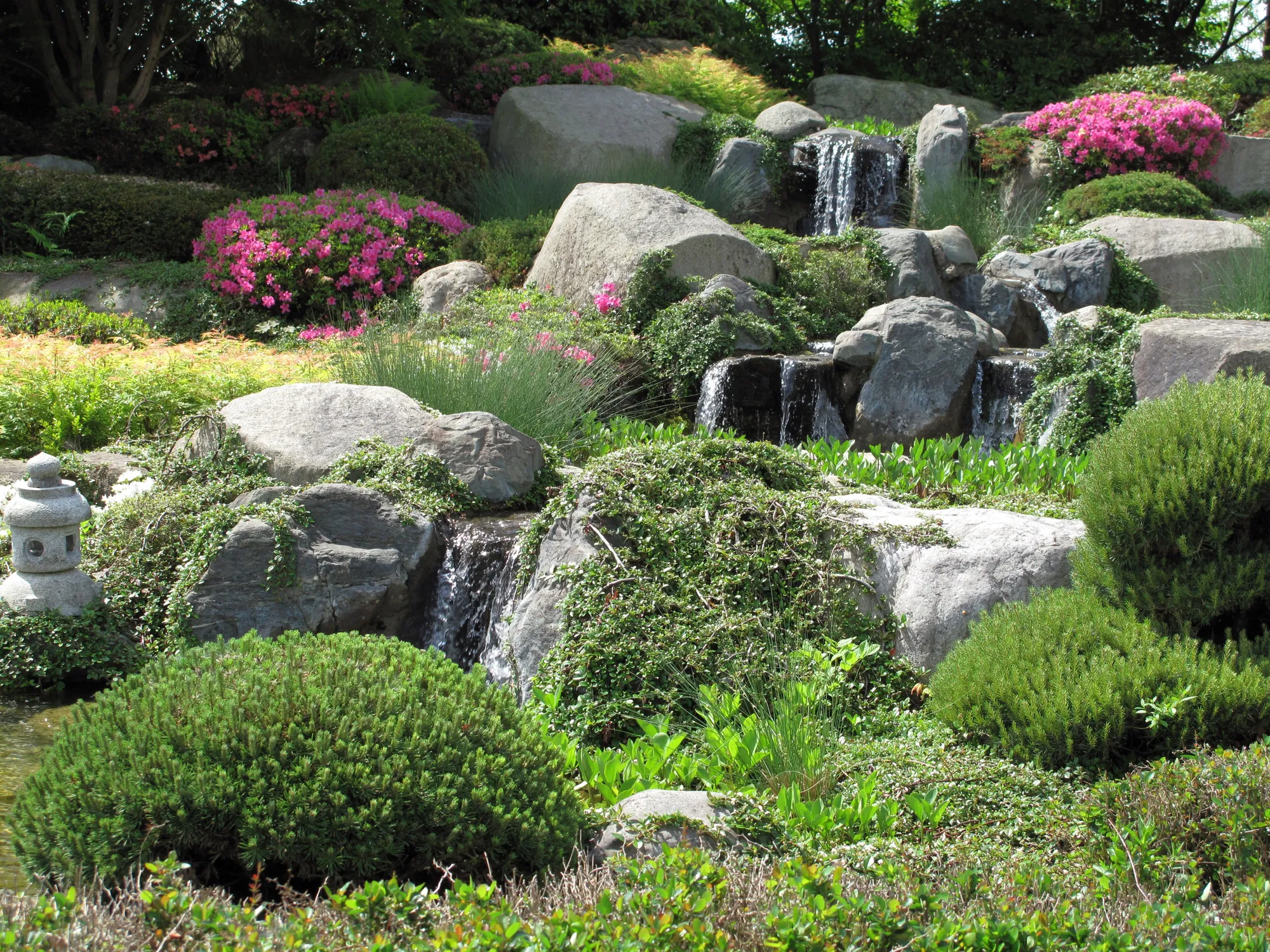
For a soothing and tranquil atmosphere, consider incorporating reflective surfaces or water features using polished rocks or smooth pebbles. A small pond edged with river rocks, a bubbling rock fountain, or a Japanese-inspired koi pond can transform your garden into a peaceful retreat. The interplay of light and water against the natural hues of the rocks creates a dynamic visual effect that enhances the overall sensory experience of your outdoor space. 
Address:

Southwest Stone Supply
6386 , Osage Beach Pkwy
Osage Beach, MO 65065

Contacts:

Phone Number:
(573) 302-8855

Mail:
sales@southweststonesupply.com